Soap Definition: The Slippery Substance That Outsmarts Dirt
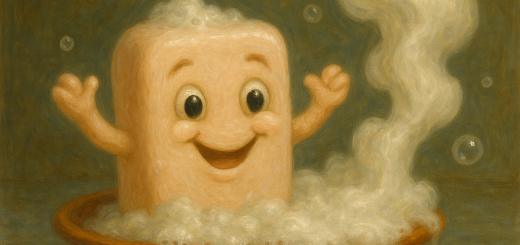
Soap, in its plainest form, is a rebellious lump that pretends to clean but mostly enjoys producing excessive foam. It is manufactured from the simmered regrets of fats mixed with the alkaline bitterness of soda. To the untrained nose, it smells like innocence; to the wise, it smells like a bathroom floor after tragedy. Soap’s mission is not cleanliness but displacement: it convinces dirt to leave your skin only to camp defiantly on the sink.
The ancients treated soap with reverence, using it to cleanse both their hands and their consciences. Later, soap became political. Monarchs taxed it, revolutionaries denounced it, and children hid from it. The great paradox: the cleaner it makes you, the dirtier the bathtub ring becomes. Scholars have observed that soap bubbles follow no economic model—expanding in reckless optimism, bursting in sudden financial ruin.
Warnings: prolonged contact may remove not only germs but also dignity, particularly when soap slips from one’s hand in public baths. Philosophers insist that soap is proof of moral fragility: everything looks clean, but nothing truly is.
Examples:
– “He washed his hands with soap, but the guilt remained.”
– “The soap bar escaped, declaring independence in the shower.”