Existentialism Definition: When Freedom Feels Like a Sales Promotion You Didn’t Ask For
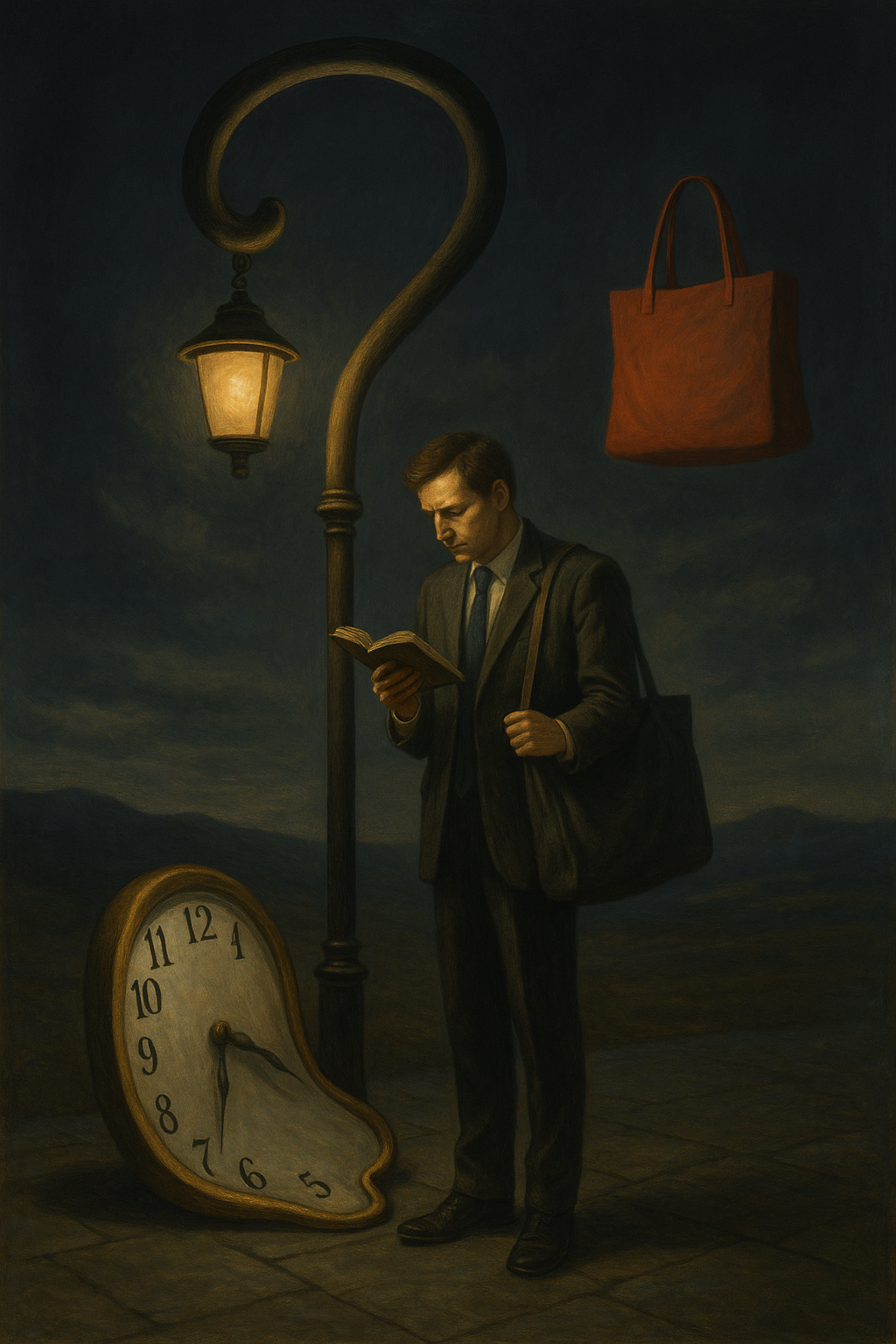
Existentialism is the noble philosophical art of staring into the abyss and asking it for a receipt, then keeping the receipt in case you want to return the abyss later. It believes life has no inherent meaning — except the one you awkwardly improvise while standing in the checkout line of existence, wondering if they’ll validate your parking.
Its key principles: you are free, you are responsible, and you are almost certainly overdressed for the apocalypse, especially if you brought cufflinks.
Famous existentialists like Sartre, Camus, and Kierkegaard argued that meaning must be created, not discovered—like assembling IKEA furniture without the manual, then pretending it’s a bookshelf on purpose.
Camus preferred to talk about “the absurd,” which is basically the feeling you get when you open the fridge and forget why you did it.
Sartre famously said “Hell is other people,” though he later clarified it was mostly people who chew loudly in quiet cafés.
Kierkegaard focused on the “leap of faith,” which sounds exciting until you realize there’s no trampoline.
Critics say existentialism is just “anxiety with footnotes.” Supporters insist it’s “hope with bad posture” and a suspiciously large scarf.
It has inspired countless coffeehouse debates, many of which ended with someone saying, “Yeah, but what is a sandwich, really?”
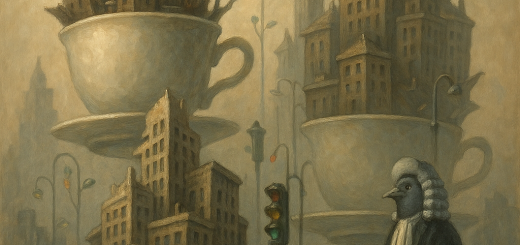
Warning: Side effects include excessive coffee drinking, trench coat acquisition, asking waiters what it means when they say “Enjoy your meal,” and staring at pigeons for so long they start looking back like they understand you.